Forklift & Aerial Lift Training
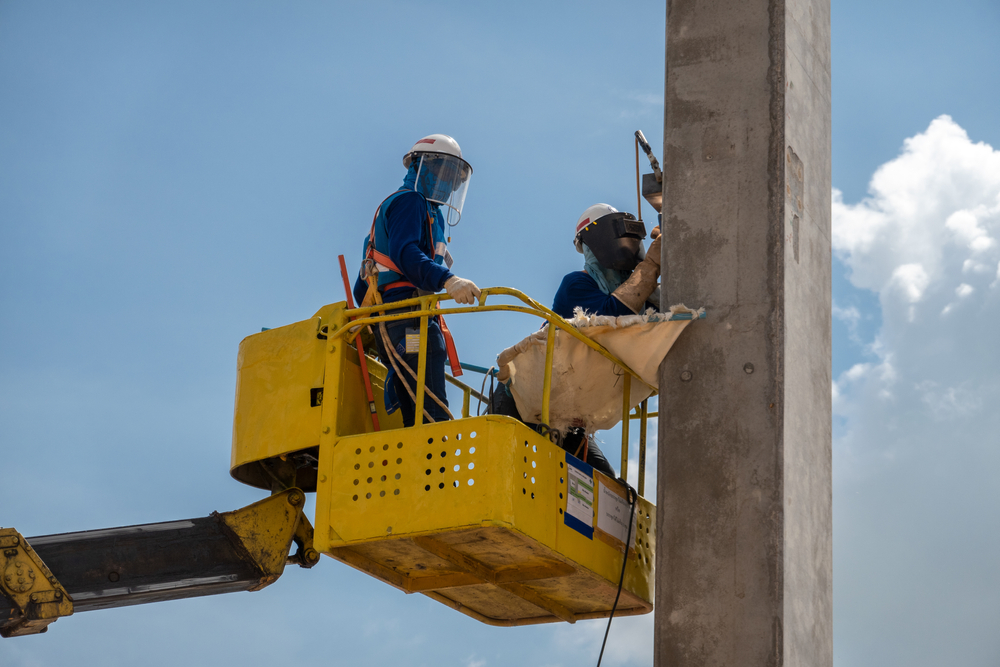
This program is designed for individuals who work from or operate boom lifts, scissor lifts, and push-around equipment. It covers all safety aspects, including pre- and post-use checks, regulations, fall protection, and general use. The course format combines presentations, question-and-answer sessions, practical applications, and a final exam. Aerial lifts, also known as boom lifts, bucket trucks, and cherry pickers, are commonly used in construction and general industry workplaces. Although aerial lifts are generally safer than ladders or climbing to height, more than 26 workers are killed each year in related accidents. Over seven years, there were 207 fatal aerial lift accidents, with electrocution (69) and falls (64) accounting for more than half of these fatalities. To prevent such injuries, OSHA requires employees to receive proper training before using aerial lifts, and this program is specifically designed to provide that essential training.
Course Description
This program is designed for individuals who work from or operate boom lifts, scissor lifts, and push-around equipment. It covers all safety aspects, including pre- and post-use checks, regulations, fall protection, and general use. The course format combines presentations, question-and-answer sessions, practical applications, and a final exam. Aerial lifts, also known as boom lifts, bucket trucks, and cherry pickers, are commonly used in construction and general industry workplaces.
Although aerial lifts are generally safer than ladders or climbing to height, more than 26 workers are killed each year in related accidents. Over seven years, there were 207 fatal aerial lift accidents, with electrocution (69) and falls (64) accounting for more than half of these fatalities. To prevent such injuries, OSHA requires employees to receive proper training before using aerial lifts, and this program is specifically designed to provide that essential training.
Learning Objectives
Pre and post use of equipment. Explanations of electrical hazards. Fall and falling object hazards. Recognizing and avoiding unsafe conditions in the work setting. Instructions for the correct operation of the lift (including maximum intended load and load capacity). Demonstrate the skills and knowledge needed to operate an aerial lift before operating it on the job. When and how to perform inspections, and the Manufacturer's requirements.
Who Should Attend
Any employee who operates, maintains, or supervises employees using an aerial lift. An aerial lift is any vehicle- cle-mounted device used to elevate personnel, including: Extendable boom platforms, Aerial ladders, Articulating (jointed) boom platforms, Vertical towers, and Any combination of the above.
Forklift & Aerial Lift Training
Blueprint & Examination Guide
1. Overview
The Forklift & Aerial Lift Training is a professional certification designed to validate a professional's expertise in the respective field. This program covers essential principles, regulatory standards, and practical applications to ensure candidates are fully equipped to handle safety, compliance, and operational challenges.
2. Examination Parameters
| Criteria | Details |
|---|---|
| Total Questions | 100 |
| Question Format | Multiple Choice |
| Passing Score | 70% |
| Time Limit | 2 Hours |
| Delivery Method | Online Proctored / In-Person |
3. Prerequisites & Qualifications
Candidates must meet the following criteria before taking the examination:
- • A minimum of 3 years of verifiable experience in the relevant field.
- • Completion of an accredited training program related to the course.
- • Current certification in First Aid/CPR (where applicable).
- • Commitment to adhering to safety and regulatory standards.
4. Examination Domains
The examination is divided into the following core domains:
| Main Topic | Weightage | Number of Questions |
|---|---|---|
| Domain 1: Regulatory Requirements & Standards | 25% | 25 |
| Domain 2: Risk Assessment & Hazard Analysis | 20% | 20 |
| Domain 3: Safe Work Practices & PPE | 20% | 20 |
| Domain 4: Training & Incident Investigation | 20% | 20 |
| Domain 5: Compliance & Program Management | 15% | 15 |
5. Additional Information
- • Recertification is required every 3 years.
- • Candidates will receive a digital badge upon successful completion.
- • Exam study materials and preparatory guides are available upon registration.